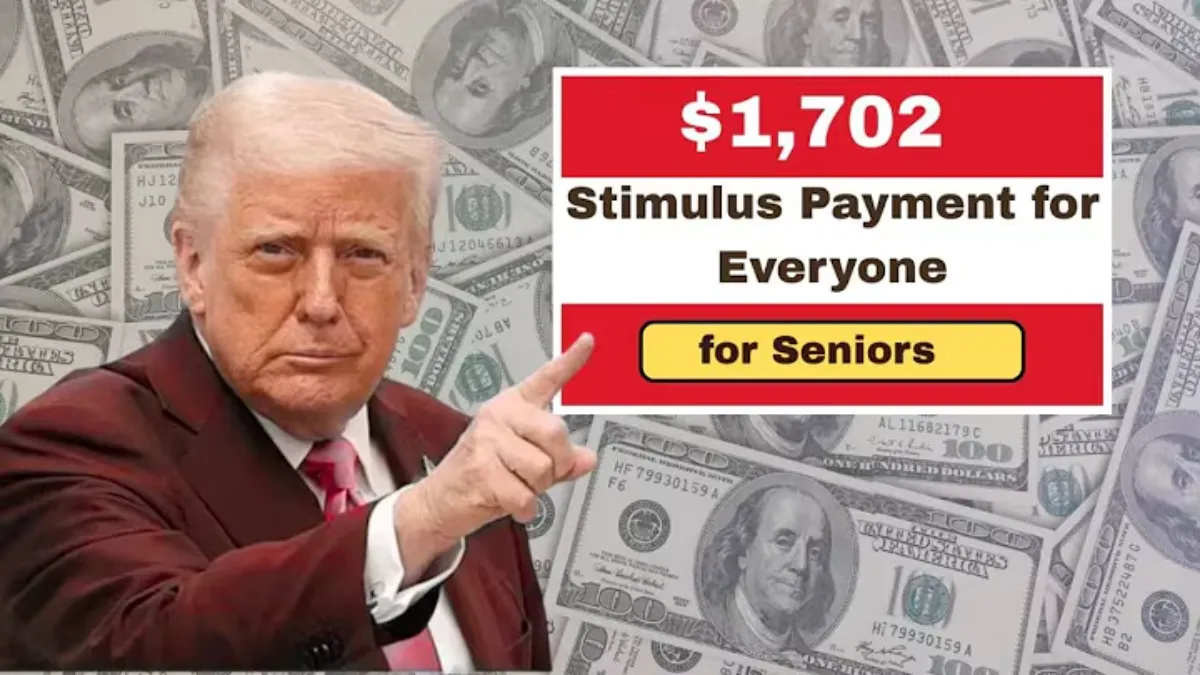
$1,702 Stimulus Payment for All: There’s finally some good news for millions of Americans, especially senior citizens struggling with rising expenses. The federal government has announced a $1,702 stimulus payment, which will be distributed in October 2025. The payment is intended to provide financial relief to eligible citizens, including Social Security and Supplemental Security Income (SSI) beneficiaries, as part of the government’s ongoing efforts to help people cope with inflation and everyday expenses.
For retirees and those on fixed incomes, this upcoming payment couldn’t come at a better time. As food, rent, and healthcare expenses continue to rise, a direct deposit or check of $1,702 will provide much-needed relief and security.
Yellowstone Beth & Rip Spin-Off Episode 1 Trailer: A New Beginning
What is the $1,702 stimulus payment?
The $1,702 stimulus payment is part of a federal economic relief initiative aimed at helping low- and middle-income Americans, especially seniors, who rely heavily on Social Security or other federal benefits. While the structure is similar to previous stimulus checks issued during the pandemic, this payment focuses more on long-term economic recovery and household stability.

These payments will be distributed automatically by the Internal Revenue Service (IRS) and the U.S. Treasury Department. This is intended to ensure that all eligible beneficiaries, especially retirees and benefit recipients, receive financial assistance without having to apply separately.
Who is eligible for the $1,702 payment?
The eligibility criteria for this payment are designed to include a wide range of Americans—not just workers, but also retirees and veterans who rely on fixed income. According to IRS and federal guidance, the following are eligible:
U.S. citizens or permanent residents with a valid Social Security number.
Heartland Season 19 Episode 2: Trailer, first look and shocking scenes leaked

Those who filed a 2024 federal income tax return, or who receive benefits from programs such as Social Security, SSI, SSDI, or the Department of Veterans Affairs (VA).
- Citizens who meet the income limits:
- Individuals earning up to $75,000 annually.
- Married couples filing jointly earning up to $150,000 annually.
- Heads of household earning up to $112,500 annually.
- For those whose income exceeds these limits, the payment amount will gradually phase out.
Good news for senior citizens: You won’t need to take any extra steps to receive your payment. If you already receive Social Security, SSI, or VA benefits, your payment will be automatically sent to your bank account or debit card, just like your regular benefits.
Complete Payment Schedule for October 2025
The IRS has confirmed that payments will be issued in phases during October 2025 to ensure smooth and timely distribution. This schedule will depend on your application method and benefit type.
- The estimated payment timeline is as follows:
- October 14-18, 2025: Direct deposits will begin for those who have filed bank details with the IRS.
- October 21-25, 2025: Paper checks will be sent to those who do not have direct deposit.
- October 25-31, 2025: SSI, SSDI, and Social Security beneficiaries will receive payments by direct deposit or Direct Express card.
If you are a senior citizen or veteran who typically receives monthly benefits through a Direct Express debit card, your stimulus payment will be automatically deposited into that account.

How to Check Your Payment Status
The IRS’s “Get My Payment” tool will be reactivated in October 2025, allowing people to check the status of their payments. Through this online portal, you can verify whether your payment has been processed, the amount issued, and the date it was deposited or mailed.
Seniors who do not have internet access can also contact the Social Security Administration (SSA) or IRS helpline for assistance.
Why is this payment important?
For millions of senior citizens living on low incomes, a $1,702 stimulus payment could make a huge difference. Many retirees are facing rising medical bills, increasing prescription drug costs, and rising utility bills. This payment provides immediate relief to meet essential needs—groceries, electricity, rent, or unexpected emergencies.
Furthermore, this payment aims to boost the local economy by encouraging spending on everyday necessities, which will promote small businesses and community development.

In short, this payment isn’t just about money—it’s about restoring peace of mind and dignity to those who built this country and now deserve financial stability in retirement.
Important IRS Instructions
- To ensure you receive your payment without delay:
- Verify your bank account and address information with the IRS.
- File all pending 2024 tax returns, even if your income was low or zero.
- Beware of fraud – the IRS will never call, text, or email you asking for personal information. Always check official updates on IRS.gov.
Final Thoughts
The $1,702 stimulus payment is a welcome relief for Americans still struggling with financial difficulties. For older adults in particular, it is not only a sign of support but also a recognition of their contributions and courage.

Since payments are scheduled to begin in October 2025, eligible citizens should prepare by ensuring their IRS or Social Security records are up-to-date. Relief is coming—and for many, it will help make the coming months a little better.
1. Who is eligible for the $1,702 payment?
U.S. citizens and residents with incomes less than $75,000 (individuals) or $150,000 (married couples) and receiving Social Security, SSI, or VA benefits qualify.
2. When will seniors receive their payments?
Most seniors will receive payments by direct deposit or Direct Express between October 25 and October 31, 2025.
3. Do I need to apply for this payment
No. Payments are automatic for taxpayers and benefit recipients who meet the eligibility criteria.
4. How can I check my payment status?
If you receive Social Security benefits, use the IRS “Get My Payment” tool or contact the SSA.
5. Will this affect my regular Social Security payment?
No, the $1,702 stimulus is a separate payment and will not reduce or delay your regular benefits.